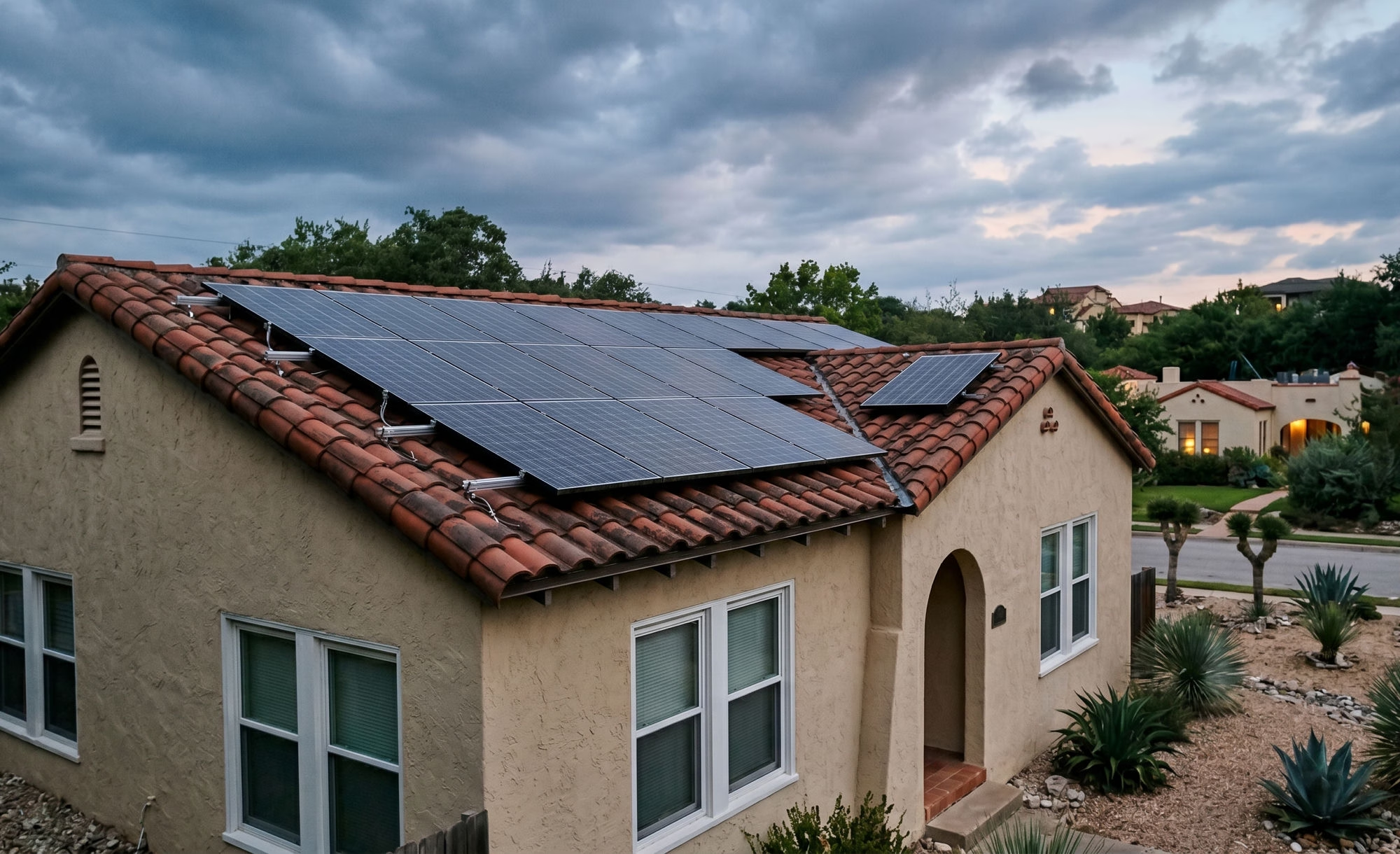
Battery backup built to work with solar.
Solar panels shut off during an outage. A Base Core battery keeps them running, and costs up to 98% less to install than a comparable battery system.
Join 30,000+ Texas homeowners powered by Base
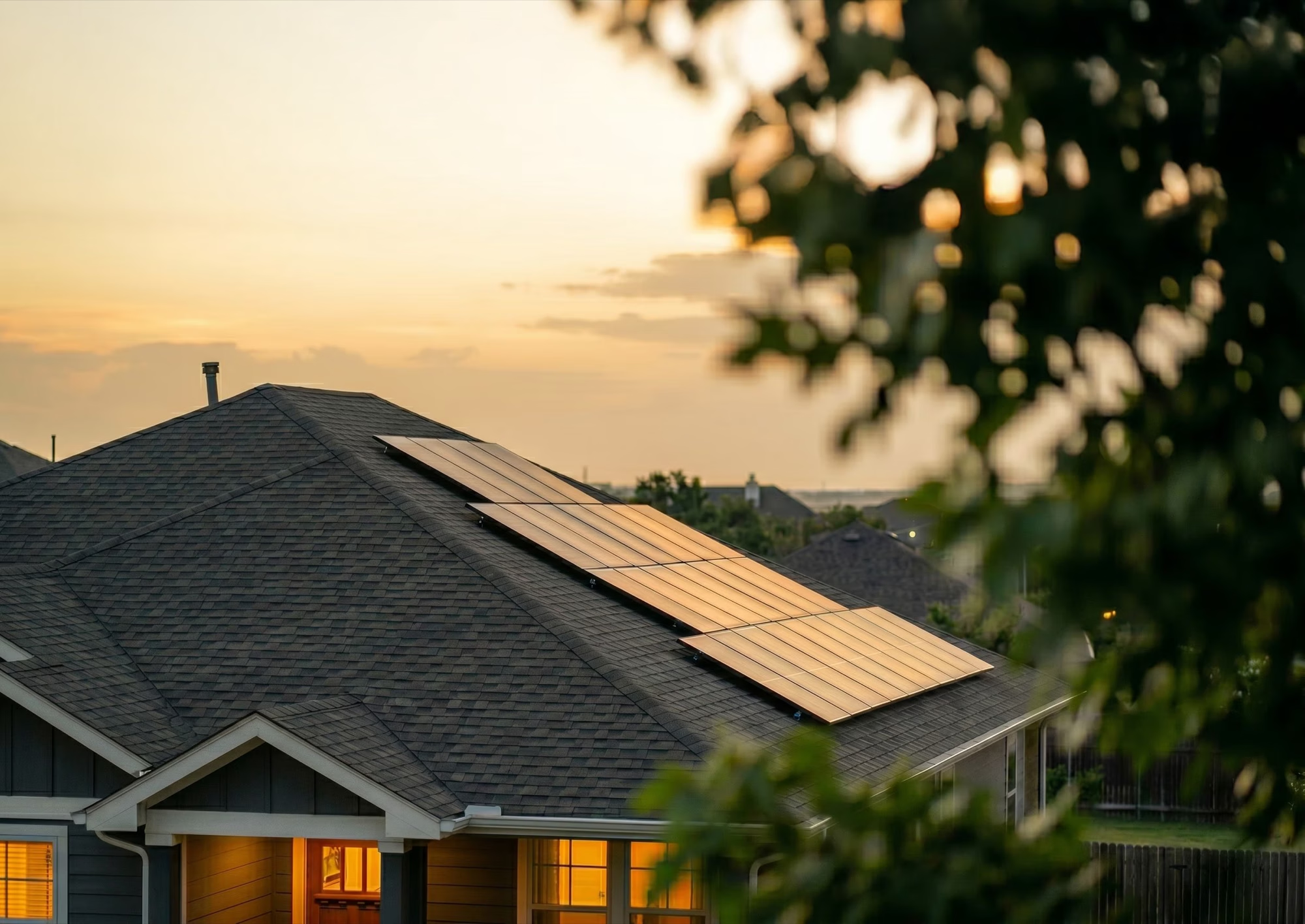


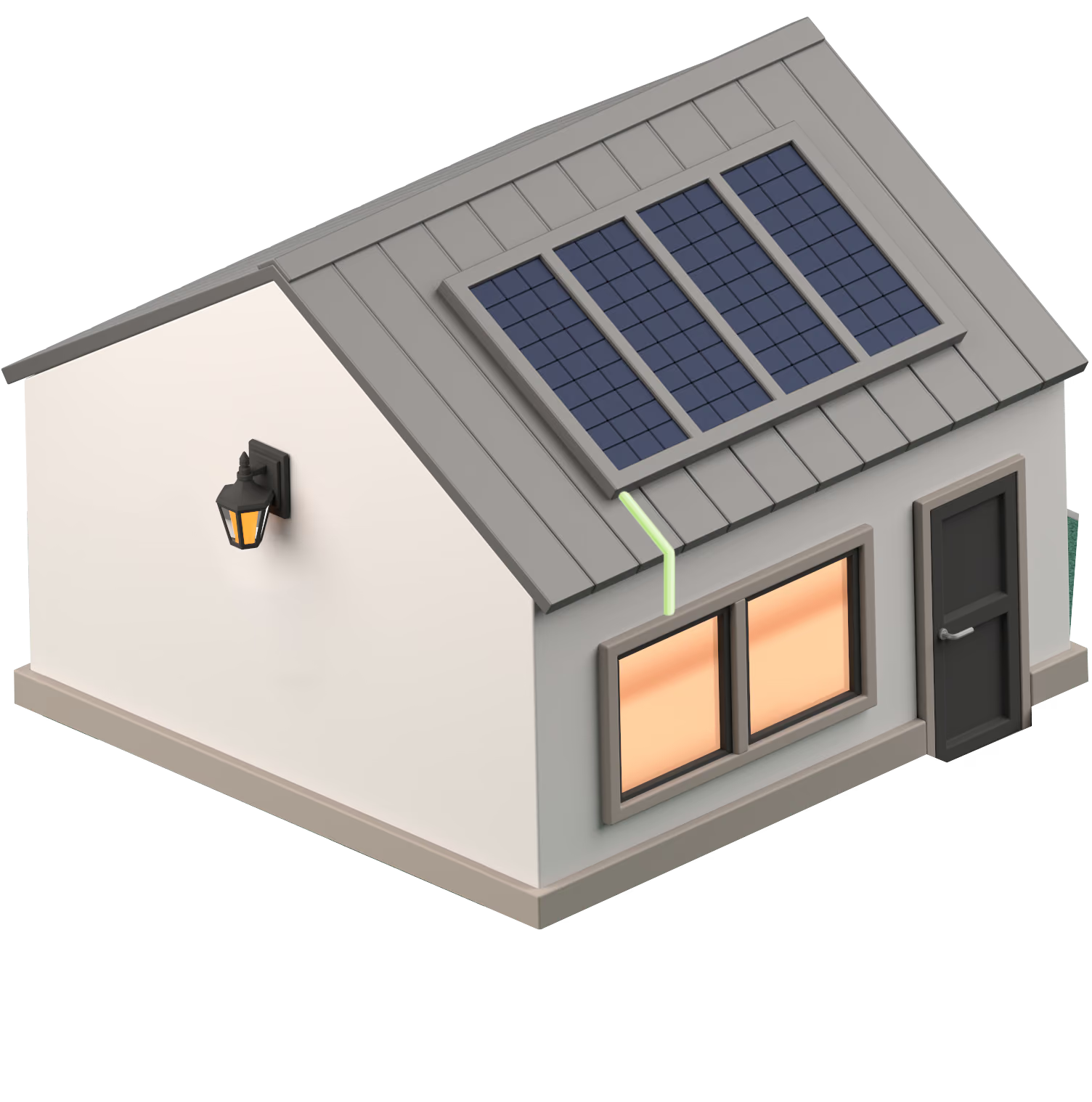
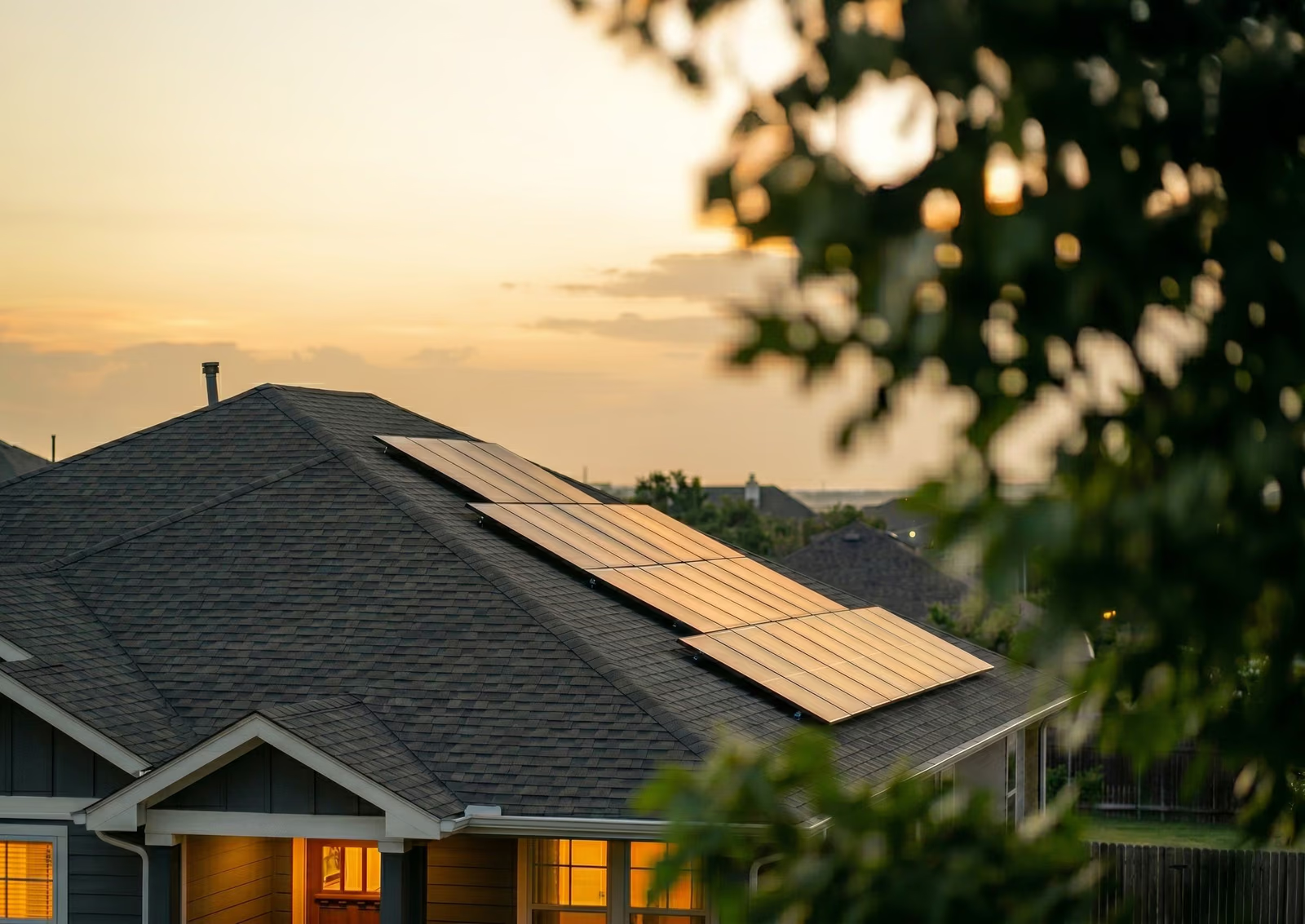
Solar powers your home and works with the grid.
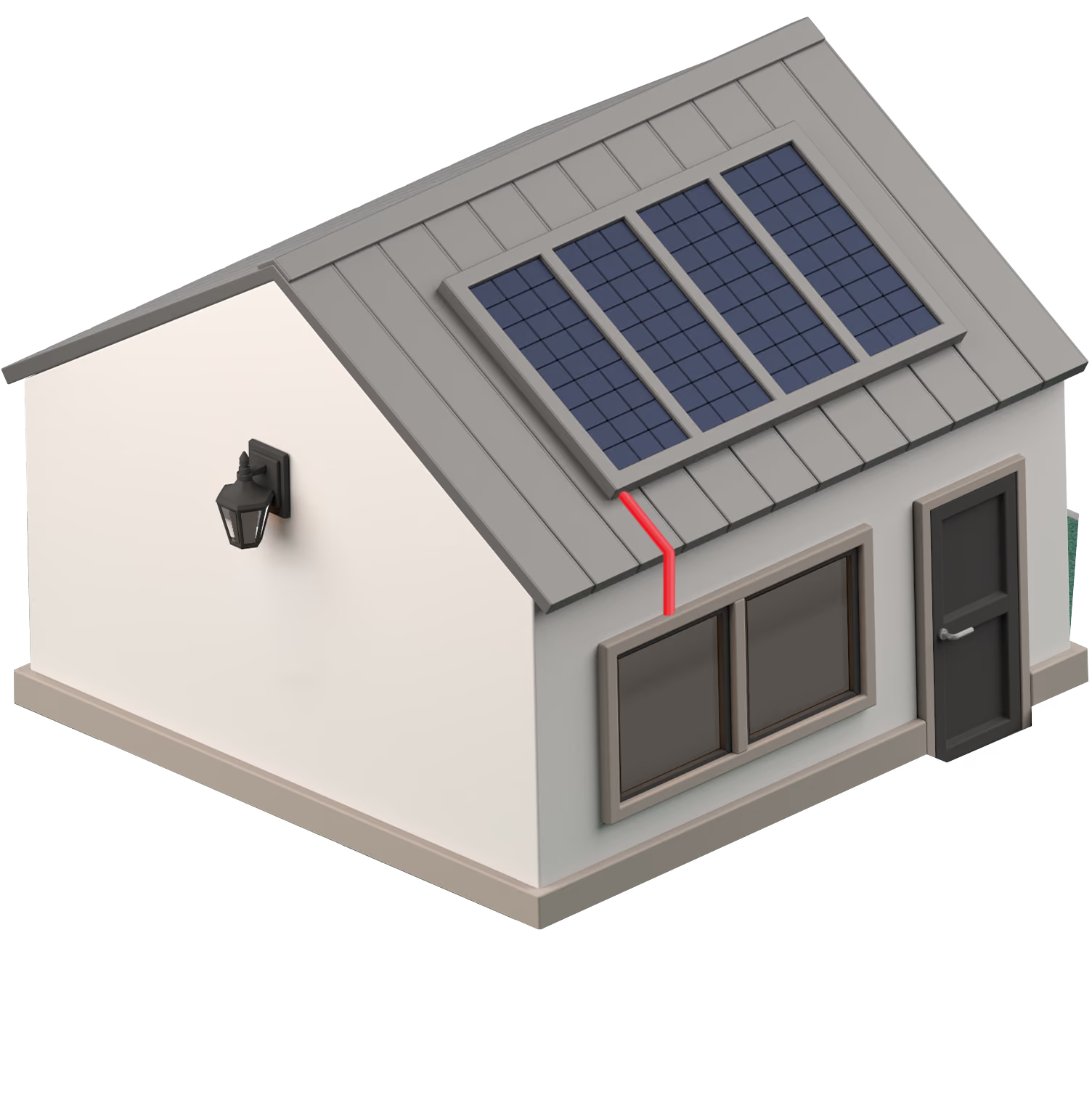
Extra solar can charge Base or go back to the grid.
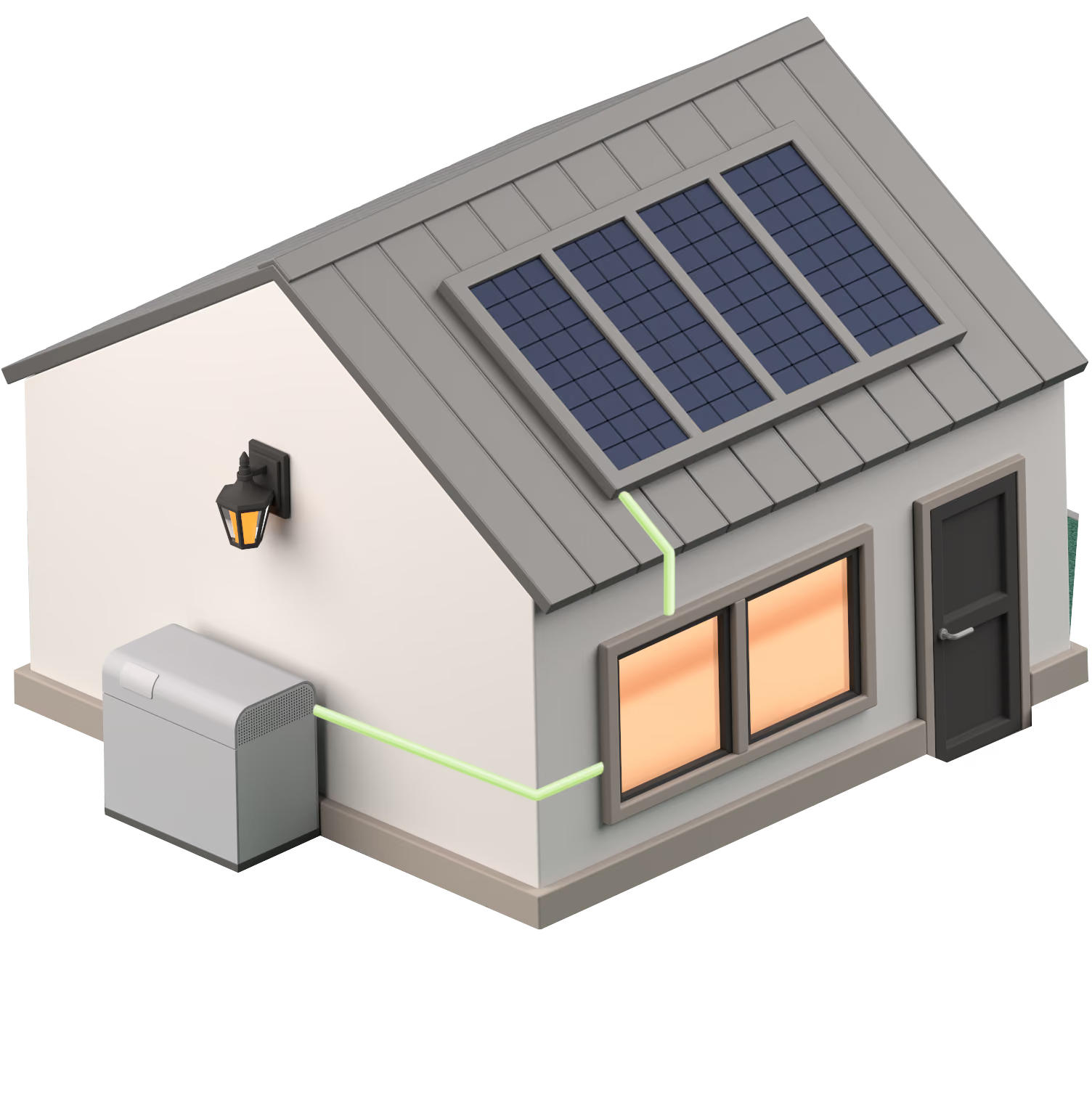

Solar + Base
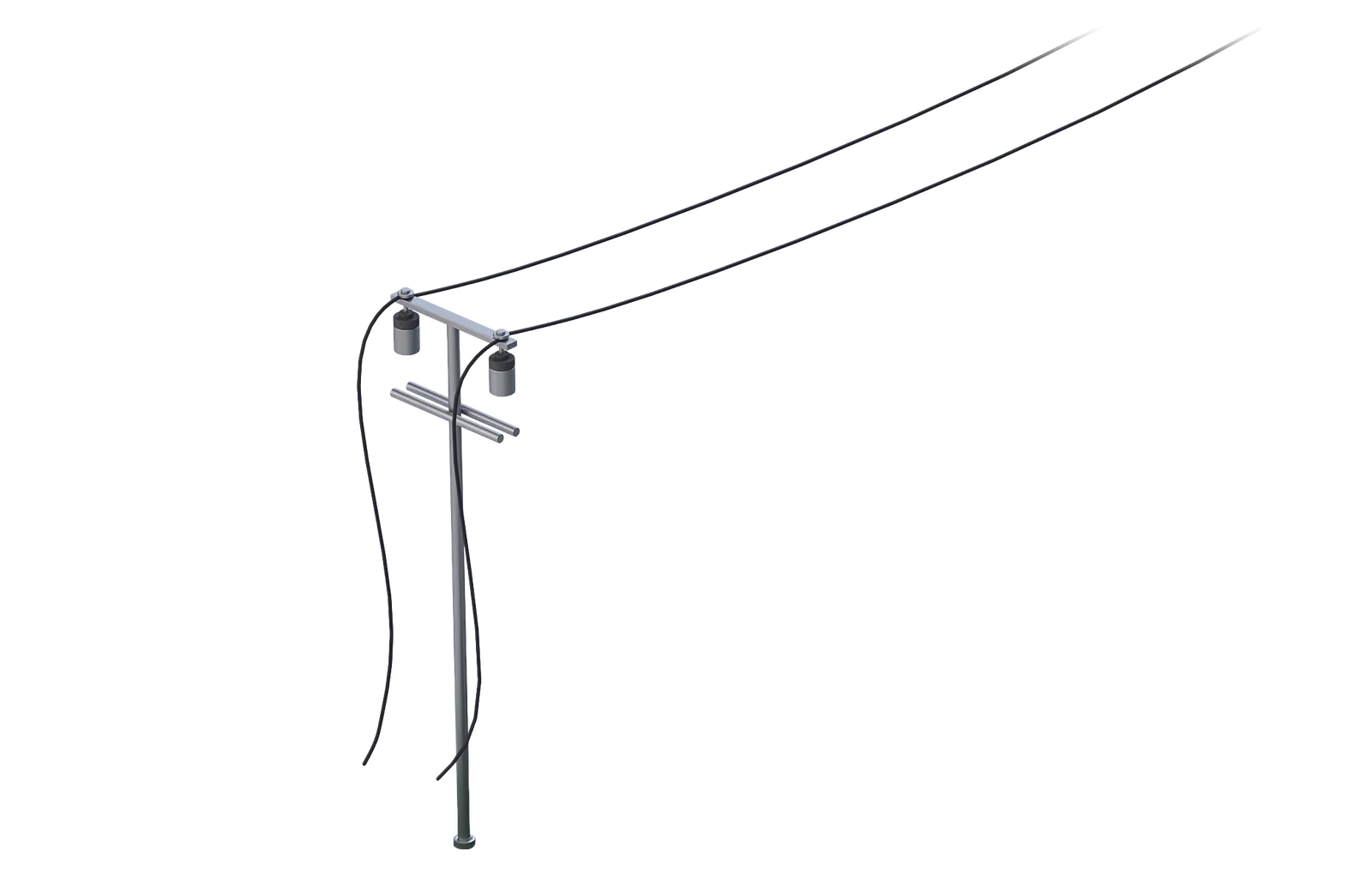
Solar only
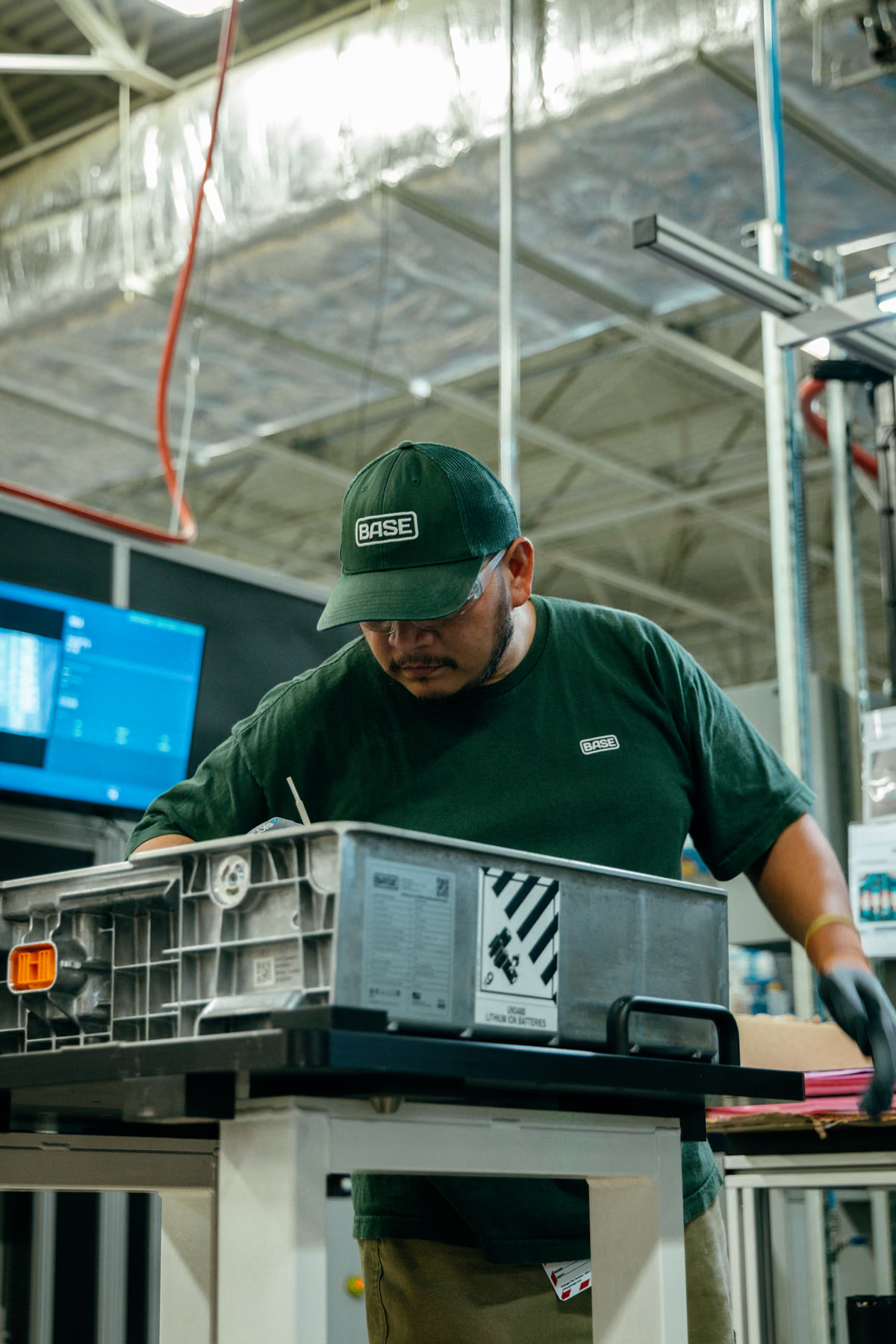
A battery designed, built, and maintained by Base.
- Built at Base Factory 1 in Austin
- Up to 98% less to install than a comparable battery system
- Service typically handled within days, at no cost to you
Whole-home backup without the five-figure install cost.
Base Core holds 39.2 kWh, roughly three times a typical home battery. Matching that much storage from a leading brand runs about $35,000 installed, before incentives.
Base Core | Similar Solar BatteriesLeading brand | |
|---|---|---|
| No equipment to buy | yes | no |
| Service and maintenance included | yes | Warranty only |
| Replaced at no cost if it fails | yes | no |
| Works with the panels you already have | yes | yes |
Base Core is $695 to install plus $19 a month in Texas, which covers all service and maintenance. Base owns the battery. Comparison is to a capacity-matched 39.2 kWh system from a leading brand, about $35,000 installed, before incentives, as of September 2026. Pricing shown is for Oncor territory and varies by area. The federal residential clean energy credit for homeowner-owned systems ended for property placed in service after December 31, 2025.
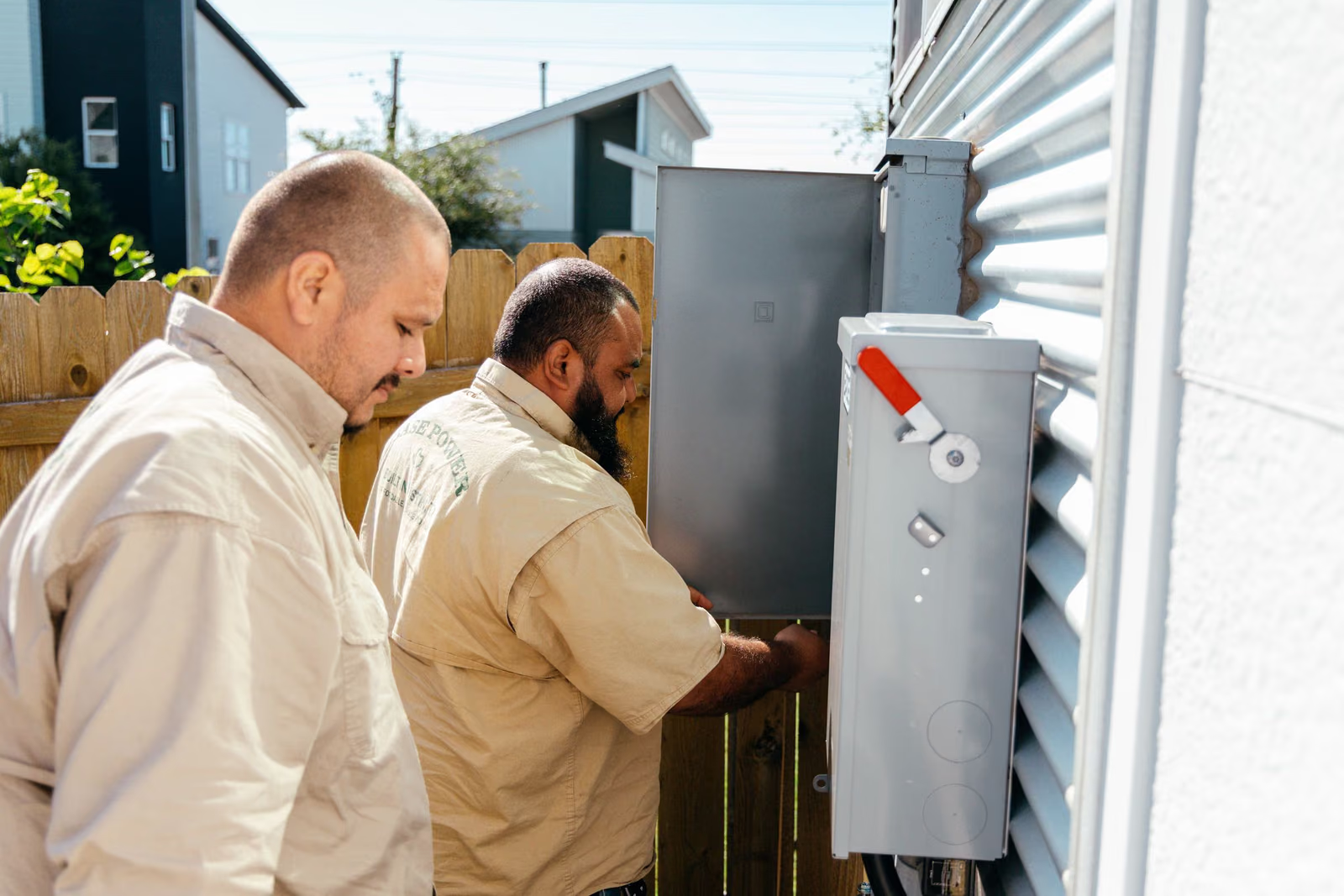
Three steps, and we handle the utility.
If you move, the Base battery stays with the house and transfers to the new owner at no charge. If they don't want to keep it, we remove and recycle the system for $500.
The things solar owners actually ask.
Safety. Code requires grid-tied solar to stop sending power the moment the grid drops, so a lineman working on the line doesn't get hurt. Your inverter shuts the panels down even in full sun. A battery is what lets them keep running, because it disconnects your home from the grid and powers the house on its own.
Yes. Base installs independent of your solar inverter, so your panels keep producing, and they charge the battery during an outage, which extends your backup. What Base can offer depends on your utility, so check your address to see what's available where you live.
Base isn't compatible with an existing home battery. Both systems would be trying to manage your home's power at the same time, so Base can't be installed alongside one. Existing solar panels are a different story, those work fine. If you have a battery, talk to us before you put down a deposit.
All of it. The moment the grid goes down, the full battery is dedicated to your home. Base uses the battery to support the grid the rest of the time, which is how we keep your rate low, so it isn't always at 100%. It never drops below 5 hours of backup, though. If you have solar, your panels recharge the battery during the outage, which extends it past that. The Base app shows your remaining backup time at both current and reduced usage.
Up to 36 hours at reduced usage on a single battery. With solar, your panels recharge it during the outage, so the real answer depends on how much sun you get and how much power you're using.
It depends on your utility — buyback isn't offered everywhere, and the rate varies. Check your address to see what applies where you live. Where Base does offer it, you're credited for what your panels overproduce, whether it charges the battery or goes to the grid.
No. The battery charges from the grid, so backup and lower rates don't depend on panels. You can add solar later.
Base Core has a built-in generator recharge port, so a portable generator can recharge the battery and keep you powered as long as you have fuel. Whole-home standby generators aren't compatible. See the help center for generator requirements.
Lithium iron phosphate, usually shortened to LFP. It's more stable than the lithium-ion chemistry in most phones and electric cars, so it's far less likely to overheat, and it holds up in Texas heat. It also skips cobalt and nickel entirely, and it lasts 1,000 to 10,000 charge cycles where traditional lithium-ion gets 500 to 1,000.
Yes. A lease doesn't disqualify you. Base installs the battery independent of your solar equipment, so who owns the panels doesn't change how the two systems work together.