Understanding your Texas electricity bill
The Texas energy market is the biggest power-to-choose market in the United States. In many parts of the state, homeowners can pick their electricity provider. Power-to-choose markets, also called deregulated markets, encourage competition and can result in lower electricity prices. However, this puts responsibility on homeowners to find the best energy plan for their home. And comparing electricity rates in Texas can be confusing – especially due to hidden fees, and changing rates.
This guide will walk you through choosing the best electricity provider for your home. You'll learn how to decode your electricity bill, compare prices, and spot hidden fees. At Base, we’re here to make energy shopping simple, clear, and completely transparent.
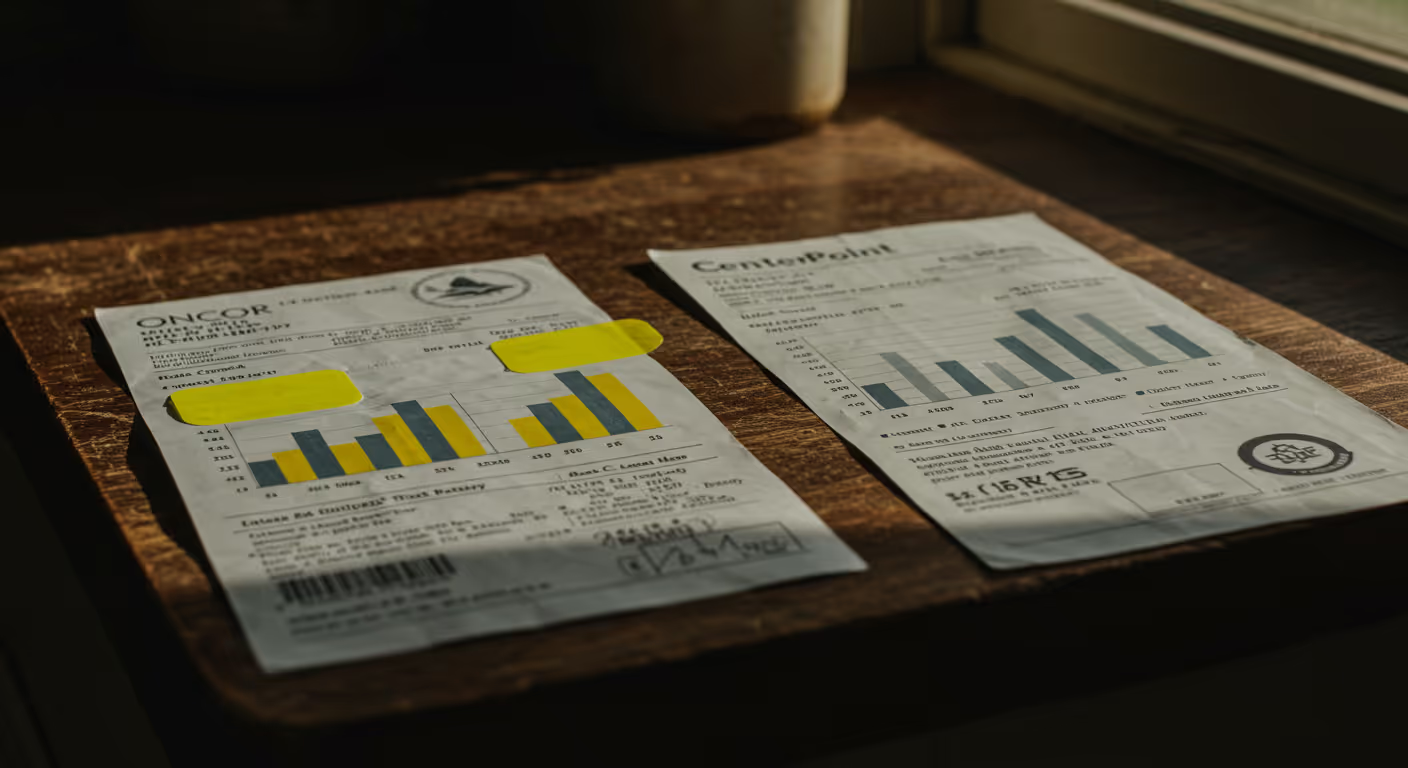
To make informed decisions, start by understanding these key sections of your Texas electricity bill:
How to read your electricity bill
Account details
- Account Number: Identifies your account for billing and support.
- Service Address: The location receiving electricity.
- ESI ID Number: Ties your home to the electricity grid and appears only on your bill. Your ESI ID is specific to your home. If you move, this will change.
Plan details
- Plan Name: Specifies your electricity plan and contract length (e.g., "Texas Saver 01").
- Expiration Date: The final day of your current contract.
Electricity eonsumption
- Meter Number: Identifies your home's physical meter.
- Service Dates: Your billing period, typically about 30 days.
- Usage (kWh): Shows your energy consumption. Divide your bill total by this number to find your “effective rate,” which includes all fees.
Breaking down electricity plans in Texas
Here’s what to watch for:
- Base charges: Some plans include a fixed monthly fee, regardless of usage. For low-energy users, such as households with solar power, these fees can raise your cost-per-kWh.
- Minimum usage fees: Some providers charge extra if your monthly usage falls below a certain amount. This can impact solar-powered homes that rely less on the grid.
- TDU rates: These charges for electricity delivery and maintenance vary by location and regulators oversee them. Always factor them into your total costs. Look for providers that try to markup these rates. Base does not markup rates and passes thru the costs directly.
- Tiered or variable pricing: Some plans adjust rates based on usage or seasons. Understand how these structures fit your energy patterns to avoid surprise bills.
- Solar buyback terms: If you generate extra electricity, review the rates your provider offers to buy it back. Many plans have caps that limit your solar savings.
- Contract terms: Check for early termination fees, auto-renewals, or rate changes after promotions end. These terms can lead to unexpected costs if you switch plans or fail to renew on time.
By reviewing these details, you can avoid financial surprises and pick a plan that matches your needs. For example, homes with solar power might save more by picking plans without minimum usage fees.
What to watch out for when comparing providers
- Rising rates: Electricity rates in Texas have risen steadily, with 11% and 5.69% increases in 2022 and 2023. Locking in a long-term fixed-rate plan during low-demand seasons can help reduce costs.
- Hidden fees: Base charges, tiered pricing, and other fees can inflate costs beyond the advertised rate. Always review the Electricity Facts Label (EFL) to avoid surprises. You can view Base Power’s EFL here.
- Weather-driven spikes: Extreme weather events can lead to rate increases. Fixed-rate plans can protect against these fluctuations.
- Market complexity: Deregulation means consumers must actively choose a plan. Avoid tricks like introductory rates or auto-renewals that increase prices during your contract. Set reminders to check your plan before it ends.
- Solar challenges: Texas does not require electric companies to offer net metering. The rates for solar buyback (2–4¢/kWh) are much lower than retail rates (10–15¢/kWh). Ensure your provider’s program aligns with your solar production.
- Renewable energy costs: While renewables lower wholesale electricity costs, transmission fees often offset these savings. Decide if paying more for green energy fits your budget and values.
- Contract length: Long-term contracts offer stability but might lock you into higher rates if the market changes. Weigh the trade-offs between flexibility and stability. Keep in mind that your contract with your REP is usually shorter than your buyback period. This means your contract can change before you get back your investment in your solar equipment.
Once you know what to look for, understanding your bill becomes much simpler.
How to compare electric rates and choose Texas power providers
- Research EFLs: Each provider’s EFL outlines rates, fees, and contract terms. Think of an EFL like a nutrition facts label for electricity.
- Check for Promotions: Some REPs offer introductory rates that increase after a specified period.
- Avoid Auto-Renewals: Set reminders to review your plan before it expires.
- Match Plans to Your Needs: Households with solar panels can save money. Choose plans that have no minimum usage fees or good buyback terms.
Common questions about Texas electricity plans
Why am I not saving more with solar?
Let’s clear up a common misconception: Solar panels and battery storage systems can lower energy costs and boost energy independence, but they don’t eliminate utility bills entirely. Achieving a “zero utility bill” is rare for most homeowners. Solar energy savings depend on factors like system size, energy use, maintenance, and your buyback plan terms. Here’s the issue: Many Texans with solar systems face shifting payback periods. Why? Because some REPs change your rates after your contract ends (often less than three years). This means the credit you earn for your extra solar energy can vary—and that’s where Base does things differently. At Base, we keep things simple for solar customers. Our plans have consistent, transparent terms—no surprises. You’ll get credit for all your extra solar energy, whether it charges your battery or goes back to the grid. Plus, you’ll receive real-time wholesale rates.
Why do my rates keep increasing?
Electricity rates can change because of market conditions, seasonal demand, or the plan you chose. Some plans feature promotional rates that increase after an introductory period. Base Power Company offers fair and low fixed pricing. This keeps your rates stable. We make money off the grid, not from homeowners. REPs are required to disclose variability in plans in EFLs. Be sure to look for the language when evaluating EFLs.
I don't understand all these charges on my bill!
Utility bills often have fees that are not clearly explained. These can include TDSP charges or other delivery fees, such as the below.
- TDSP Charges (Transmission and Distribution Service Provider):These fees pay for delivering electricity to your home. They also cover the cost of maintaining power lines and keeping the grid reliable. These charges are regulated and passed through by your utility company.
- Delivery Fees:These fees cover costs for meter reading, equipment upkeep, and other services. They help ensure reliable energy delivery to your property.
- Usage Charges:This is the cost of the energy you use. It is measured in kilowatt-hours (kWh) or other units, based on the type of utility.
- Taxes and Government Fees:These can include state, local, or federal taxes. They can also include fees for environmental or regulatory reasons set by government agencies.
- Miscellaneous Fees: Some bills include fees for specific services like paper billing, late payments, or renewable energy programs.
How to choose the right plan for your home
How to choose the right electricity plan in Texas
Before selecting a provider, follow these key steps:
1. Research EFLs (Electricity Facts Labels)
- Think of EFLs like nutrition labels for electricity plans
- Compare rates, fees, and contract terms across providers
- Pay special attention to fine print about rate changes
2. Use comparison tools
- Start with PowerToChoose.org to compare multiple providers
- Look for both fixed and variable rate options
- Check customer reviews and provider history
3. Watch for hidden costs
- Verify if promotional rates expire
- Set calendar reminders before auto-renewals
- Look for minimum usage fees and other charges
4. Match plans to your home
- Consider your usage patterns and any solar panels
- Check buyback terms if you generate extra power
- Choose plans with no minimum usage fees if you have solar
5. Set an expert comparison
- Book a free bill review with Base
- We'll analyze your usage patterns
- Get transparent pricing with no hidden fees